


|
|||
|
|
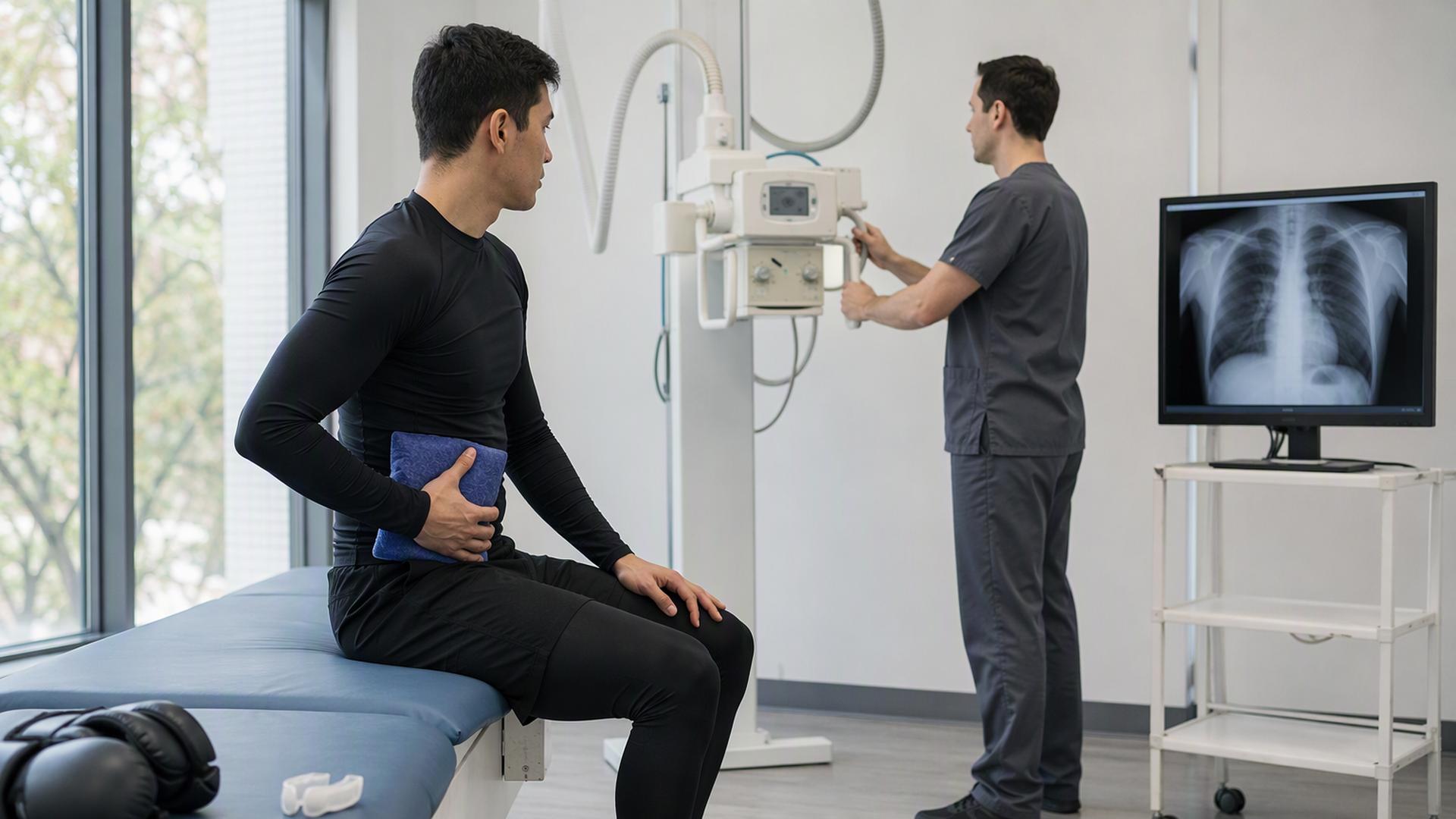
Martial arts put the ribs under pressure from several directions at once. Kicks, knees and elbows land on the sides of the chest, throws drive the body into the mat and grappling squeezes the ribcage. It is no surprise that rib pain is one of the most common reasons practitioners miss training.
Direct blows are the obvious cause. A roundhouse kick, a knee to the body or an elbow can bruise the muscle and bone, or crack a rib. Impact is not the only mechanism. Rolling, falling and landing awkwardly on a hard edge can injure the ribs, and the compression of a heavy grappler lying across the chest can strain the cartilage that links the lower ribs together.
Pain that people describe as slipped rib and floating rib pain often involves the lower ribs, which are less firmly anchored than the upper ones. The practice of Mr Marco Scarci, a consultant thoracic surgeon, publishes guides to slipping rib syndrome, a condition in which a lower rib tip moves excessively and irritates the nerve beneath it.
The same sport can therefore cause bruises, fractures and cartilage injuries that feel alike at first. Telling them apart requires an examination. A clinician can sort them out.
The NHS explains in its guidance on broken or bruised ribs that bruised or broken ribs can be very painful but usually heal by themselves. They are usually caused by a fall, a blow to the chest or severe coughing, and the symptoms include strong pain in the chest area, particularly when you breathe in, and swelling or tenderness around the affected ribs.
The advice for recovery is practical. People are told to use painkillers, to avoid sports or exercise that make the pain worse and not to smoke, since stopping may help recovery. NHS information for patients says broken and bruised ribs heal in the same way and usually get better within 3 to 6 weeks.
It also lists when to ask for urgent help, including if the pain has not improved within a few weeks or if a person starts coughing up yellow or green mucus, which could suggest a chest infection.
Pain control is central to recovery. The aim is to keep breathing deeply and coughing, because shallow breathing allows mucus to collect and can lead to a chest infection. Many people take regular paracetamol, with other painkillers if a clinician advises, and a few slow deep breaths every hour help to keep the lungs clear. Binding or strapping the chest is no longer recommended, since it restricts breathing.
A bruised rib hurts when pressed and when breathing deeply, and the tenderness is often at the point of impact. A broken rib usually causes sharper pain at one spot, which may click or grind with movement, and the pain is often worse than a bruise would explain. X-rays do not always show a fracture, so doctors often treat both the same way.
A slipping rib has a different pattern. The pain is typically in the lower chest or upper abdomen, comes and goes, and is linked to specific movements such as twisting, rolling or sitting up from lying. A click or sense of something moving is common. Examination, sometimes with an ultrasound that watches the ribs move, helps to confirm it.
If the pain began after a single heavy impact, a fracture or bruise is more likely. If it began gradually or returns with certain moves, cartilage or slipping rib problems deserve consideration.
Some rib injuries involve more than the ribs. Difficulty breathing, worsening breathlessness, pain that is much worse with every breath, a fast heartbeat or coughing up blood require urgent assessment, because a broken rib can injure the lung and cause a collapsed lung. Pain in the abdomen after a blow to the lower ribs, or blood in the urine, can signal injury to the liver, spleen or kidney.
Fever with a productive cough points to infection, and a person who cannot cough or breathe deeply because of pain is at risk of a chest infection. Tell a doctor if pain control is not enough to let you breathe and cough normally.
Never ignore chest pain with sweating, nausea or spreading pain, and call 999 if a heart attack is possible. Martial artists are not exempt from other causes of chest pain. Err on the side of calling when symptoms are unusual.
Patience prevents setbacks. Most hospital advice suggests avoiding contact sports for several weeks after a rib injury, since a new blow to a healing rib can delay recovery and cause a fracture to fail to heal. Start with walking and gentle mobility, then add light technique work without partner contact before returning to sparring.
Ask a coach to change the schedule. Drilling, shadow work and conditioning that does not stress the ribs keep fitness and skills ticking over. Breathing exercises help keep the lungs clear while the ribs heal.
If pain returns whenever you rotate, or clicking continues after the usual healing time, see a doctor rather than pushing through. Recurrent symptoms deserve a proper assessment. Tell your coach what you have been told, and agree a plan for protecting the area, such as extra padding for some drills, avoiding body shots for a period and checking in after each new level of contact.